


Lyrical Mayhem Twiddle Finger
4.4159.00 Reviews
App Specs
- Version
- 1.5
- Updated On
- License
- Free
- Downloads
- 100,000+
- Developer
- Zang96
- Categories
- Music
- Platform
- Android
Screenshots
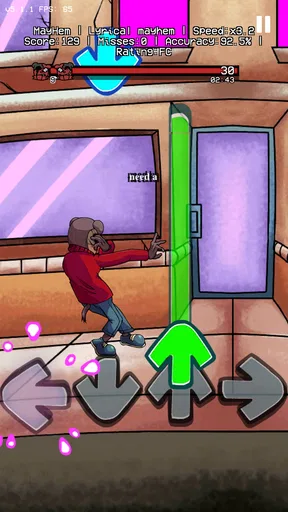
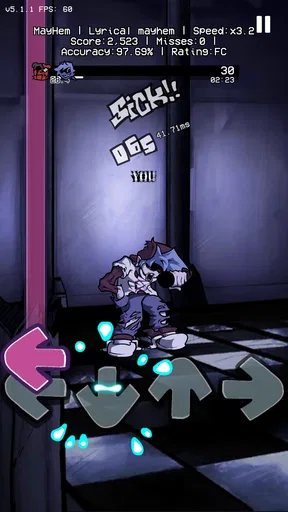
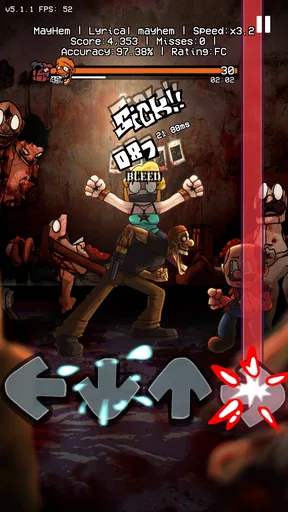
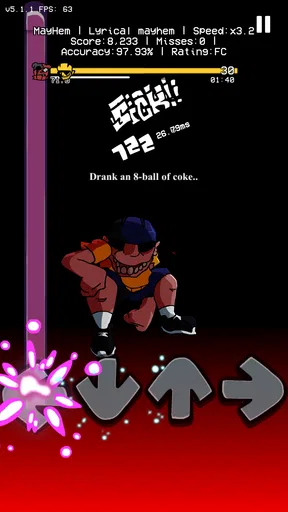
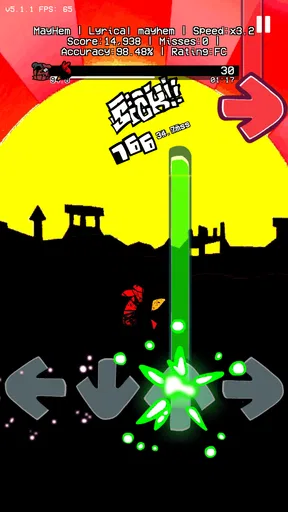
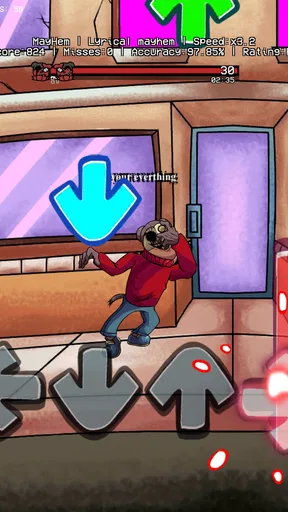
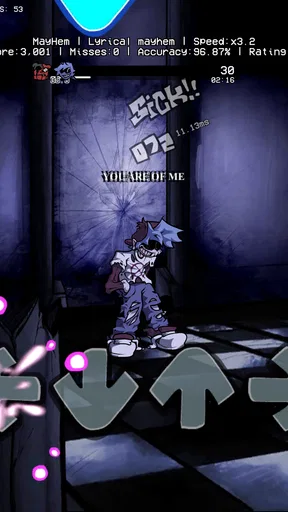
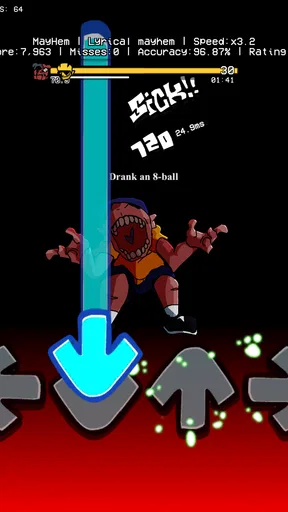
 Analysis by AppCompare
Lyrical Mayhem is a free music game built around a Friday-night rhythm battle, and my first impression was that it wants to be understood through timing rather than menus or explanation. The central appeal is simple: follow the musical cues, keep your attention on the flow, and try to outlast the opposing performer. It is a focused concept, but the presentation gives that familiar rhythm-game setup a distinct mood.
I reviewed it as a casual player rather than someone chasing perfect scores. That matters because the game is at its best when I treat each song as a short performance instead of a test I must immediately master. The Lyrical Mayhem setting adds a playful sense of conflict, while the music keeps the action moving. I found myself paying attention not only to whether I hit a cue, but also to how the visual scene and sound worked together to make each exchange feel like a small stage battle.
The game is developed by Zang96 and sits in the music category. It is available free of charge, which makes it easy to try without committing to a purchase. Its average rating is 4.4 from around 2.3 thousand ratings, and it has passed 100 thousand installs. Those figures suggest that the concept has found an audience, but they do not replace the more important question: whether this particular style of rhythm battle suits the way you like to play.
How the battle mood comes together
I found the battle mood works best when I treat each round as a performance, not just a string of prompts to clear. The useful trick is to listen for the beat’s shape before chasing every visual detail; that can make a return attempt feel steadier and less reactive. With that atmosphere in mind, the next question is how the presentation supports the music itself.
A quick start with a clear musical purpose
The opening experience is easy to understand. I am not asked to learn a complicated role-playing system or manage a large collection of characters before reaching the music. The point is to enter the battle and respond to what appears on screen. That directness is valuable on a phone, especially when I only have a few minutes available.
The Friday-night framing gives the game a recognizable identity without turning it into a long narrative adventure. The setting feels like a performance space where the tension comes from the exchange between rivals. That keeps the focus on the rhythm, but it also prevents the sessions from feeling like disconnected note exercises.
What stood out to me is the way the game creates pressure without needing a complicated explanation. A missed input is not just a small visual error; it feels like losing control of the performance. When the sequence is going well, the music and movement encourage me to stay committed instead of looking away. This is a useful design choice for a mobile game because the emotional reward arrives quickly.
Worth Reading Before You Choose

Flipboard Shows What News Apps Must Do Beyond the Feed

Switching to Android Auto Means Rethinking Your Driving Routine

Google Calendar Makes a Crowded Week Easier to Manage

Ludo King Makes the Most of the Minutes Between Plans

Baby Panda World Brings Quick Play to Modern Phones, but Its Game Library Feels Busy

ESPN’s Live Game View Makes Following Close Games Easier
At the same time, the straightforward opening means players who want a deep story, extensive character development, or a large exploration map may feel that the experience is narrow. This is a rhythm battle first. The setting supports the songs, but it does not replace them with a separate adventure.
Art direction that supports the playable mood
The visual language is tied to the idea of a lively musical confrontation. Rather than presenting the game as a neutral practice tool, it gives the action a sense of occasion. The opponent, the stage-like framing, and the movement of the performance all help the screen feel active even when the underlying task is simply following cues.
I especially liked how the art direction makes the rival matter mechanically. The opposing presence is not merely decoration in the background. It gives every sequence a reason to continue, because I am responding to someone rather than tapping through an abstract pattern. That small difference helps the game feel more like a duel than a metronome exercise.
The strongest visual moments are those where the scene, character reactions, and musical timing appear to point in the same direction. When the track builds, the presentation feels more urgent; when I lose the rhythm, the mood becomes less confident. This connection is important because a music game can become tiring if its visuals do not reinforce what the ears are already telling me.
There is also a trade-off here. A busy or expressive visual style can make the screen more entertaining, but it can compete with the cues I need to read. Players with sensitive timing may prefer a cleaner interface where every note is immediately obvious. I recommend spending the first sessions learning where to focus your eyes, rather than watching every animation equally. The background and character work are part of the mood, but the playable information must remain the priority.
The sound is the real center of the experience
Because this is a music game, the soundtrack carries more responsibility than in a typical action title. The songs need to make repeated attempts feel worthwhile, and the rhythm needs to communicate when I should react. In my experience, the best sessions came when I listened to the beat instead of relying entirely on visual anticipation.
The Lyrical Mayhem theme gives the music a competitive edge. The tracks feel connected to the idea of a verbal and musical showdown, which helps the setting feel coherent. I did not experience the songs as random background audio placed behind a tapping challenge. They are the reason the confrontations have personality.
A useful habit is to play the opening attempt as a listening pass. Instead of trying to perform perfectly, I pay attention to recurring beats, changes in intensity, and the points where the exchange seems to accelerate. On a second attempt, those patterns are easier to recognize. This approach is more effective than reacting nervously to every individual cue, especially when a section introduces a faster rhythm.
Headphones can also make a difference in a noisy room, not because the game becomes a different product, but because the beat is easier to separate from surrounding distractions. I would not treat this as a requirement for a quick session, though. The game remains approachable when I play casually, and the free entry makes experimenting with different listening setups simple.
The main limitation is inherent to the format: if the musical style does not appeal to you, the presentation will have less impact. Someone looking for ambient, relaxing, or highly realistic music may not connect with this energetic battle mood. In that case, a rhythm title built around calmer tracks or a broader music library would probably be a better match.
Where the mechanics fit the atmosphere
The mechanics work because they are closely tied to performance. I am not completing unrelated puzzles between songs; my actions are part of the musical exchange. That alignment makes the game easy to explain to a friend: listen, watch, respond, and maintain control through the battle.
One of the more important skills is learning not to panic after a mistake. A missed cue can make me rush the next response, which creates another error. The better approach is to return to the beat and treat the next input as a fresh opportunity. This is a small but meaningful difference between simply tapping quickly and actually playing a rhythm game.
I also found that posture and hand position affect comfort more than I expected. Holding the phone too tightly makes quick responses feel awkward, while resting it lightly or using both hands can make longer sessions less tiring. For short play, this is easy to overlook, but it becomes useful when I replay a difficult musical passage several times.
The game is a good fit for players who enjoy improvement through repetition. A first attempt can reveal the structure of a section, while later attempts become a test of consistency. That loop is satisfying when I can hear and feel progress. It is less satisfying for players who want every session to introduce a new mechanic or a large change of scenery.
Another practical point is that this is not the type of game I would choose when I need to divide my attention. The music, timing, and visual prompts demand concentration. It works well during a short break when I can focus, but poorly while watching another video, carrying on a conversation, or constantly switching between tasks. The simplicity of the controls should not be confused with low attention requirements.
Who will enjoy it most
I would recommend this game to someone who likes rhythm battles, animated musical showdowns, and short sessions that reward practice. It is especially suitable for players who enjoy learning a song by ear and gradually turning an uncertain first attempt into a controlled performance.
It can also work as an introduction to rhythm games for a friend who finds complex interfaces intimidating. The theme gives the actions a clear purpose, and the free price removes the need to decide whether the experience is worth buying before trying it. A new player should begin with relaxed expectations, however. The first few attempts are more useful as orientation than as a final judgement of skill.
I would suggest skipping it if your main interest is exploration, collection, long-form storytelling, or a realistic music simulator. The stage-battle format is intentionally focused. It does not aim to be a full music production tool, a broad jukebox, or a role-playing game with rhythm elements added on top.
Compared with a conventional music player, this game asks for active participation and gives the songs a competitive context. Compared with a more elaborate rhythm game, it feels easier to approach but less suited to someone who wants extensive customization or a large range of unrelated play modes. That trade-off is central to its appeal: the experience is more immediate because it keeps returning to the same musical confrontation.
Practical details before installing
The game is marked for Teen audiences, so parents should consider whether its competitive presentation and musical battle theme fit the player they have in mind. It was released on September 27, 2022, and the current version is 1.5. It supports devices running Android 7.1 or later, which covers a wide range of older phones as well as newer models.
Since it is free, the most sensible way to approach it is as a low-risk trial. Give it enough time to understand the rhythm instead of judging it after one rushed attempt. If the music and visual tone work for you, the repeated practice loop can become enjoyable. If the battle framing feels distracting, no amount of technical familiarity will make it the right kind of music game.
I would also advise playing in a place where you can hear the track clearly and keep the phone steady. That simple setup improves the experience more than chasing perfect conditions. A stable grip, reduced background noise, and attention to the beat make the timing feel fairer and help reveal whether the game itself suits your reflexes.
My atmosphere verdict
What makes Lyrical Mayhem memorable is not a large collection of systems but the way its art direction, sound, setting, and pacing reinforce one another. The rival gives the music a reason to matter, the visual presentation turns inputs into a performance, and the rhythm keeps the action moving without unnecessary detours.
Its limitations are clear too. The focused format may feel repetitive to players who need constant novelty, and the energetic musical mood will not suit every taste. The expressive presentation can also demand careful visual focus, particularly when the screen becomes busy during more intense passages. Those are genuine considerations, not flaws that can be ignored.
For me, the game works best as a compact musical challenge: something I can open for a focused session, listen to closely, and replay when I know I can improve. It is not the right replacement for every rhythm title, but it has a coherent identity and a clear reason to exist. If the idea of settling into a Friday-night musical duel sounds appealing, this free release from Zang96 is worth trying.
Pros
- Quick rounds make it easy to play during short breaks.
- Simple controls are accessible for casual players.
- Rhythm-focused challenges give each session a clear objective.
- The colorful presentation makes gameplay feel lively.
- Replayability comes from trying to improve timing and scores.
Cons
- Difficulty can rise quickly and may frustrate new players.
- Repeated patterns may feel monotonous after extended play.
- Mistimed taps can be especially punishing during faster sections.
- The game may not appeal to players seeking a deeper story.
- Performance can depend on accurate touch response from the device.
FAQs for Lyrical Mayhem Twiddle Finger
What is Lyrical Mayhem Twiddle Finger?
Lyrical Mayhem Twiddle Finger is a rhythm-based music game centered on timing, quick reactions, and animated musical battles. Players follow notes and prompts on screen while songs and characters perform in the background. Its appeal comes from combining catchy music, colorful visuals, and progressively more demanding challenges rather than offering a traditional story-driven or strategy experience.
How do you play Lyrical Mayhem Twiddle Finger?
Gameplay generally requires tapping, holding, or following on-screen prompts in time with the music. Accuracy is important because mistimed inputs can reduce your score or affect your performance during a level. Before downloading, remember that the experience is much more enjoyable when you can concentrate on the screen, and some stages may require fast reactions as the tempo and note patterns become more difficult.
Is Lyrical Mayhem Twiddle Finger suitable for beginners?
The game can be approachable for newcomers because its core controls are simple to understand, but rhythm games often become challenging quickly. Beginners may need several attempts to learn the timing of different notes and patterns. If you are unfamiliar with this genre, starting on easier stages and practicing songs repeatedly is recommended before attempting higher difficulty levels or score-focused challenges.
Does Lyrical Mayhem Twiddle Finger require an internet connection?
Internet requirements can depend on the version, platform, and features included by the developer. Basic gameplay may be available offline in some releases, while advertisements, updates, online rankings, cloud progress, or additional content may require a connection. It is best to check the current store description and permissions before installation, especially if you intend to play while traveling or using limited mobile data.
Is Lyrical Mayhem Twiddle Finger free to download, and does it contain ads or purchases?
The app may be offered as a free download, but availability of advertisements, optional purchases, or premium content can vary by device and region. Players should review the Google Play or App Store listing for the latest pricing and in-app purchase information. If children will use the game, parental controls are advisable, since repeated play or optional items could potentially lead to unexpected spending.


